

How to Store a Self-Inflating Sleeping Pad?
How to Store a Self-Inflating Sleeping Pad?
Self-inflating sleeping pads are a popular choice among campers and outdoor enthusiasts due to their comfort and convenience. Proper storage of these pads is crucial to preserve their functionality and durability. Follow these steps to ensure your sleeping pad remains in excellent condition for many adventures to come.
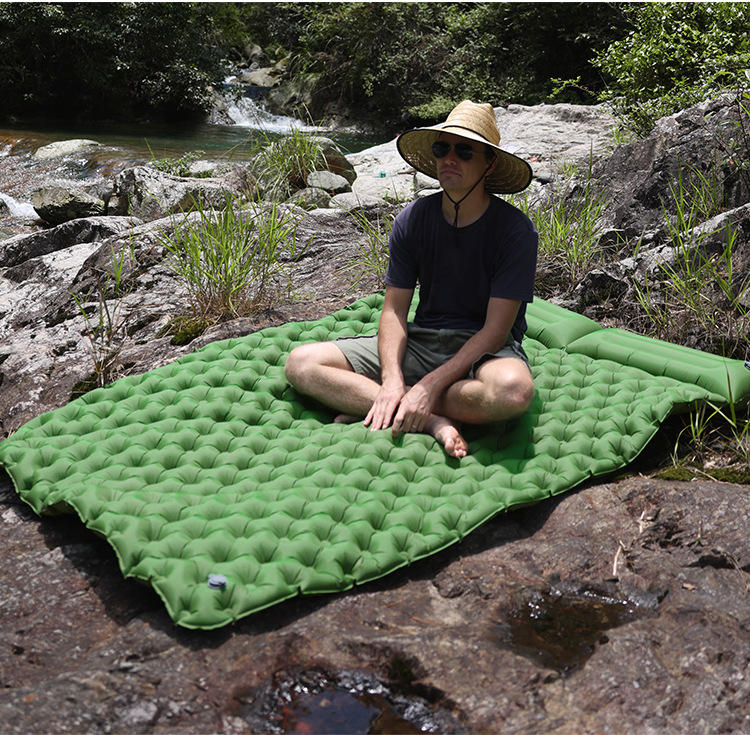
Understanding the Materials of Self-Inflating Sleeping Pads
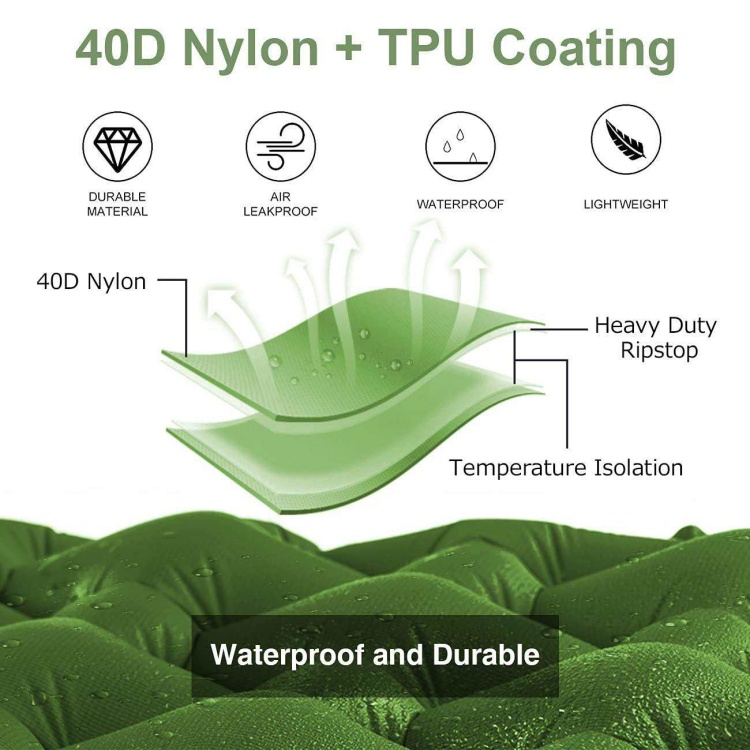
Self-inflating sleeping pads are typically made from materials such as nylon, polyurethane, and polyester. These materials are moisture-resistant and lightweight, making them easy to carry. However, if not used for an extended period, these materials can also age, so proper storage is essential.
Cleaning the Self-Inflating Sleeping Pad
Before storing your self-inflating sleeping pad, it needs to be cleaned, especially after camping or outdoor activities. Dirt, mud, and sweat must be removed as these stains can harbor bacteria and mold during storage, potentially affecting future use.
Releasing Stored Air
After cleaning, it's crucial to expel all the air from the pad. Any remaining air can cause the pad to deform or burst during storage, affecting its performance.
Dry Storage
Once the air is released, place the pad in a dry, well-ventilated area to dry completely before storage. Avoid exposing the pad to direct sunlight for prolonged periods, as this can damage the material and reduce its lifespan.
Storage Location
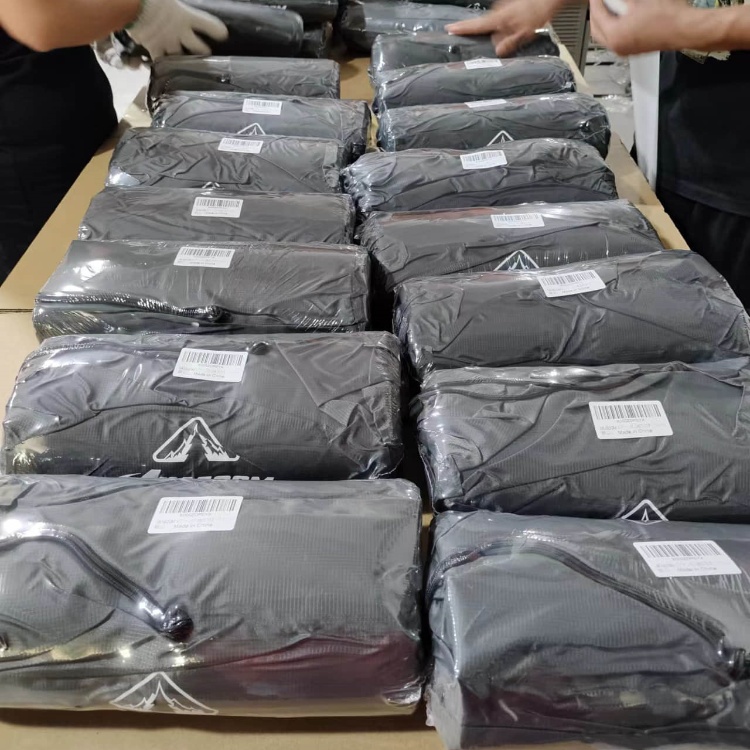
Before storing, roll the self-inflating sleeping pad into a cylindrical shape and secure it with straps or bands. Store it in a cool, dry, and ventilated place, ideally with a desiccant to keep it dry.
Regular Inspections
Even when stored in a dry and ventilated area, the pad can gradually age and sustain damage. Regular inspections are necessary to check for seal integrity and appropriate storage conditions. Repair or replace the pad if any issues are found.
Conclusion
Proper storage is crucial for extending the lifespan of your self-inflating sleeping pad. When not in use for extended periods, ensure the pad is cleaned, deflated, dried, stored in a suitable location, and regularly inspected. This will ensure the pad remains in good condition for future use.Remember, proper care and storage will keep your sleeping pad ready to provide a comfortable night's sleep wherever your travels take you.